Insights
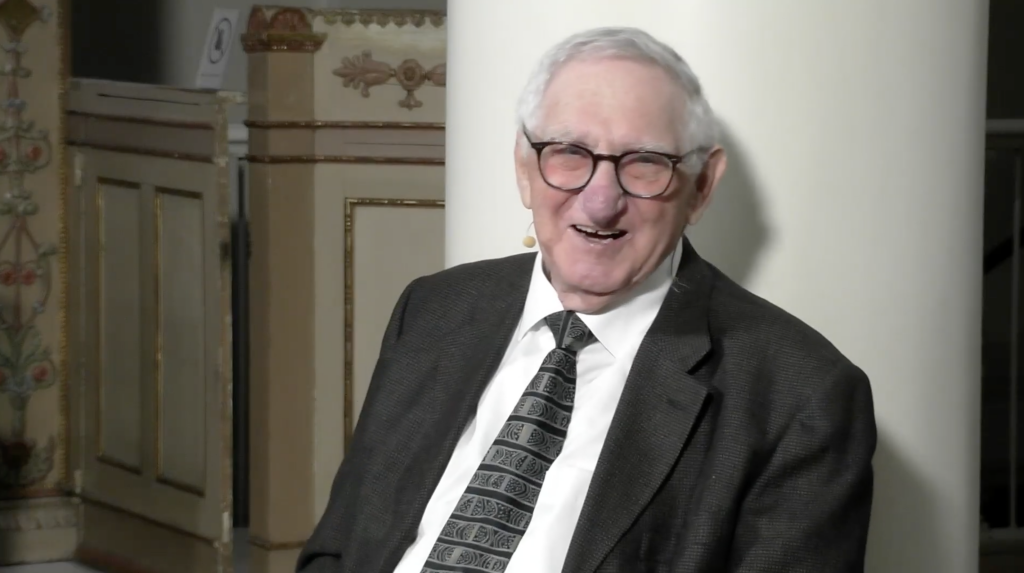
A Life of Encounters – A Conversation with Chief Rabbi Morton Narrowe
What would Jews have done had history been reversed – if Judaism had become the religion of an empire and Jews had held power over others?
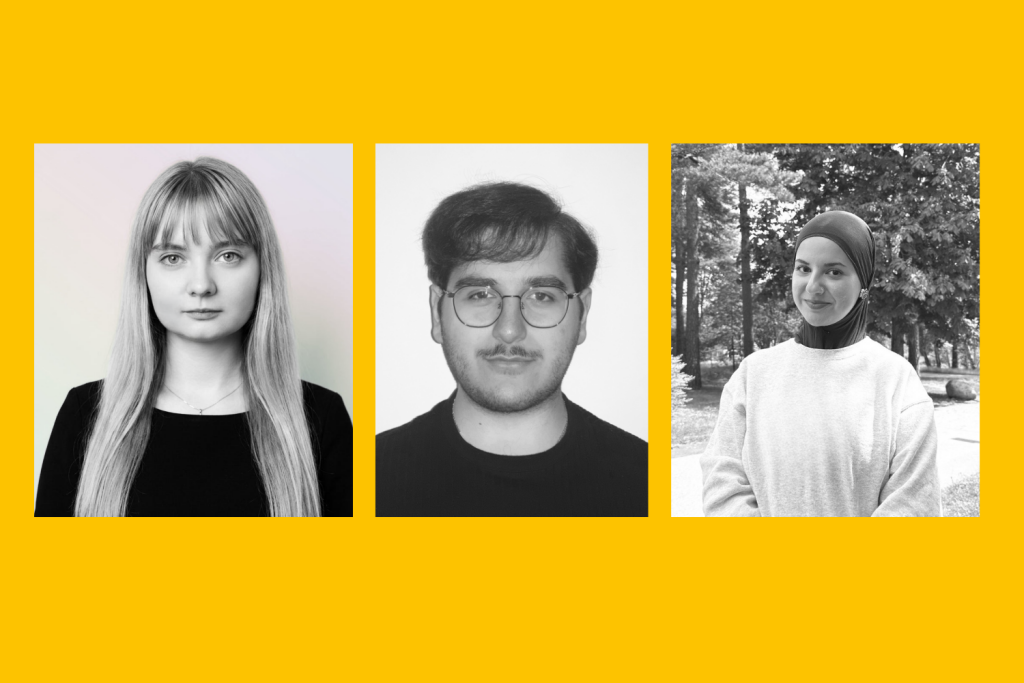
Meet Alicja, Joseph, and Sara, this year’s recipients of Designstipendiet
We are proud to announce this year’s recipients of Designstipendiet: Alicja Kaznica, Joseph Aljawabra, and Sara Kassem. All three will join the Visual Communication program at Beckmans Evening School this fall.

Sebastian Fältström receives the the 2026 Bernadotte Scholarship in Design
We are proud to celebrate the selection of Sebastian Acaymo Fältström as this year’s recipient of the Bernadotte scholarship in design.
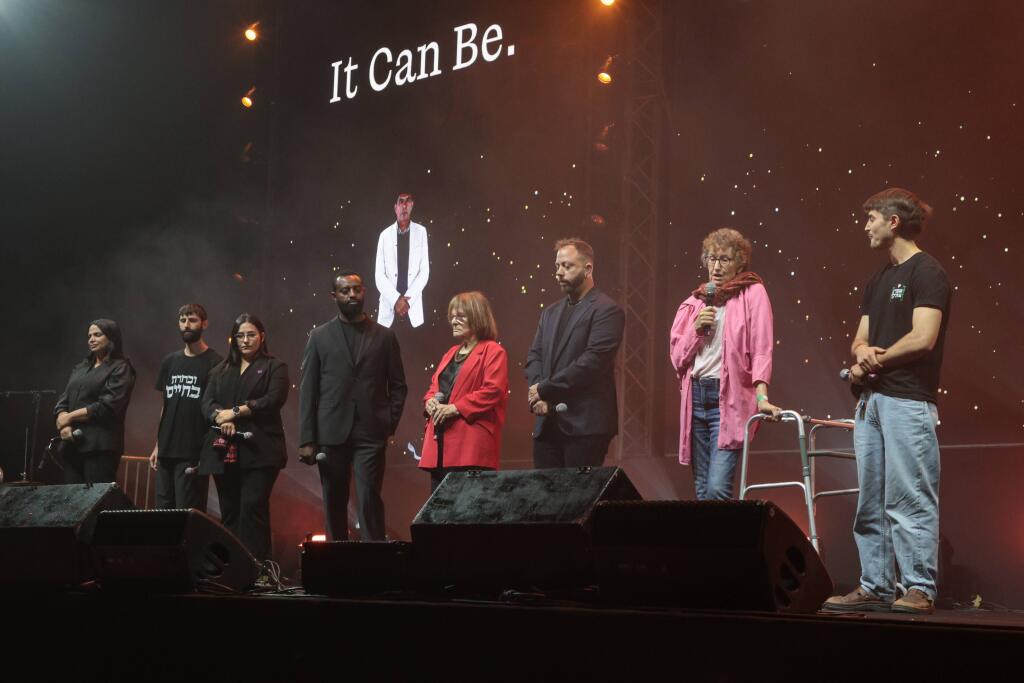
It’s Time for Peace
Late on a Thursday afternoon, some 5,000 Israelis, Palestinians, and international guests gathered gathered in a major conference hall in Tel Aviv to affirm their shared belief in a safe, peaceful, and just future for everyone living between the river and the sea.
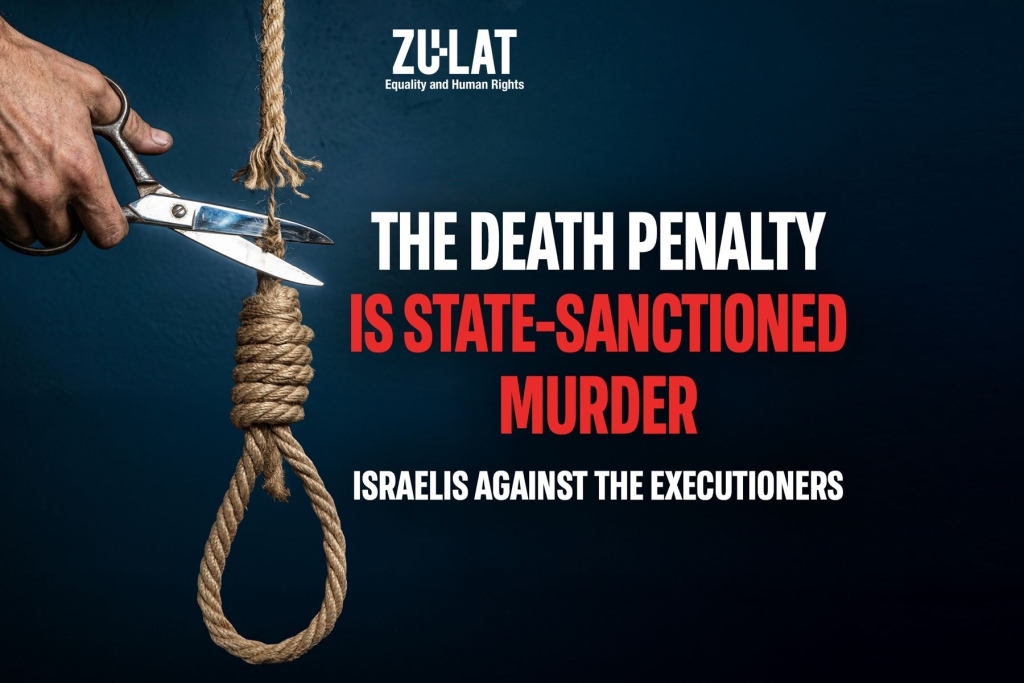
Legal challenge filed against discriminatory death penalty law
The Robert Weil Family Foundation explicitly supports Zulat and its partners in their petition to the High Court of Justice, a crucial effort to safeguard fundamental democratic values and human rights. At a time of heightened tension and uncertainty, the Foundation emphasizes the importance of actively supporting organizations working—both in civil society and within political institutions—to uphold human dignity, promote justice, and strive for peace.
I am looking for a new political home
Robert Weil on the announcment that liberal politician Birgitta Ohlsson is returning to Swedish politics after 8 years in Washington DC.

Robert Weil speaks out in Dagens Nyheter
It is time for all of us – capitalists, wage earners, and politicians of the world – to unite and create a society where economic growth is more evenly distributed. This is the core message of an op-ed by our chairman and founder, Robert Weil, published in the Swedish daily Dagens Nyheter on February 1.
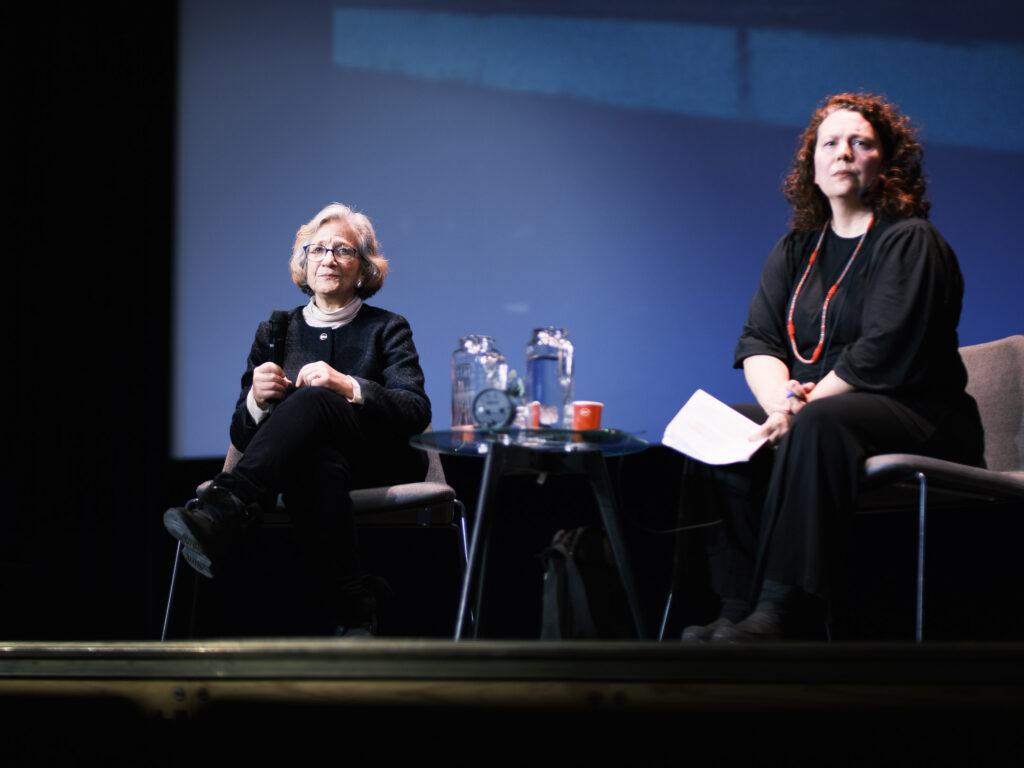
Learning about and from Shoah
Can we acknowledge the historical singularity of the Holocaust while also considering its wider moral and political implications?